

Home >
Kindergarten
Early Childhood
Early years support and the School Readiness Funding (SRF) program
Supporting early childhood practitioners in Australia
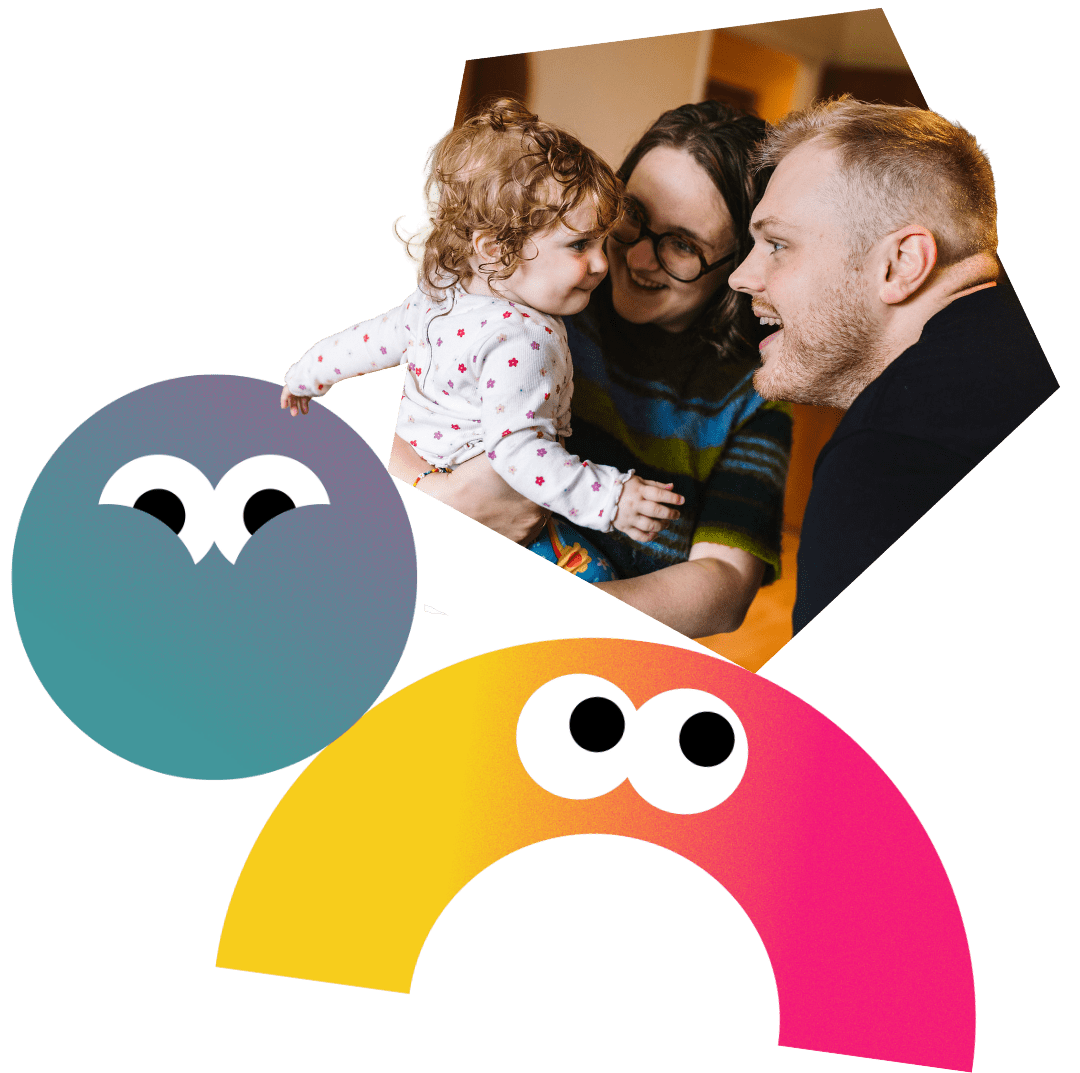
Togetherness recognises the importance of early relationships as the foundations of mental health. It’s model of three core psychological theories supports the understanding of behaviour. It provides a framework for practitioners to navigate the full range of interactions with families to help nurture healthy relationships and mental wellbeing.
School Readiness Funding (SRF)
A permanent and ongoing part of the Victorian Government funding model, Togetherness (the Solihull Approach model) is support by SRF. Our 2-day training courses are included in the ‘Menu of evidence-informed programs’ in Victoria. The trainings are provided by early childhood professionals who are also qualified Togetherness Trainers. https://www.vic.gov.au/solihull-approach

The intent of School Readiness Funding is to address educational disadvantage, through building the capacity of educators and families to respond to children’s learning and development in the 3 priority outcome areas of Communication (language, literacy, and numeracy), Wellbeing (social, emotional and executive function) and Access, Inclusion and Participation. School Readiness Funding supports 3-year-old and 4-year-old children in all early childhood education and care services delivering state-funded kindergarten programs in Victoria, including long day care
Why the Solihull Approach model makes a difference
- It is synthesis of three core psychological constructs aimed at supporting and understanding behaviours
- It provides a thinking framework to help understand and navigate difficult conversations and dysregulated behaviours
- It is a relationship model and therefore applied to any interaction, be they adult or child
- It is relevant for those working with children, and extends to supporting quality interactions between adults including parents and colleagues
- It enables community collaborations
- It offers insights into behaviours to promote quality interactions and relationships in any situation
Theoretical and practical skills for practice
- To provide experience that supports respect, connectedness and emotional regulation in children, parents and those working with them. This supports behavioural change
- To understand the origins of behaviours, including trauma, and how best to promote emotional regulation and reflection in self and others
- To support children to feel safe, respect, and understood, and therefore be more able to use their energy to freely engage in the world around them
- To reflect on ways to manage challenging behaviours of children and adults
The model incorporates a thinking framework to safeguard staff.

Training Outcomes:
- Increases; reflection, work satisfaction, confidence, team cohesion, and workforce retention
- Promotes; shared language, continuity of approach and inter/intra-agency collaboration.
Downloadable Information Flyer includes links to National Quality Standards
Resource: Training for Early Childhood Practitioners information Flyer
Language: English